Farm Solar: Buy, Lease, or PPA? The 2026 25-Year Cash Flow Math
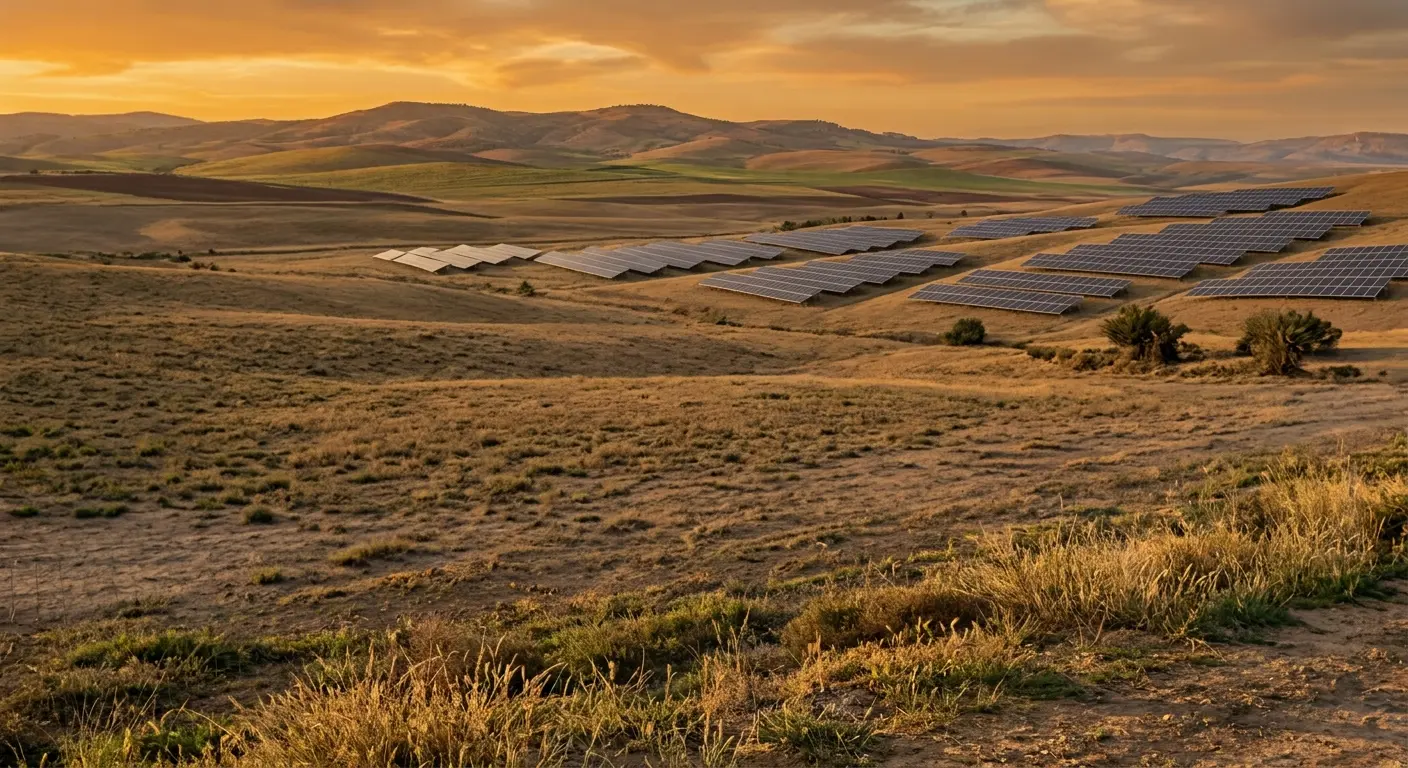
Three farmers comparing solar financing options — cash purchase, loan, and PPA — in front of a farm solar array.

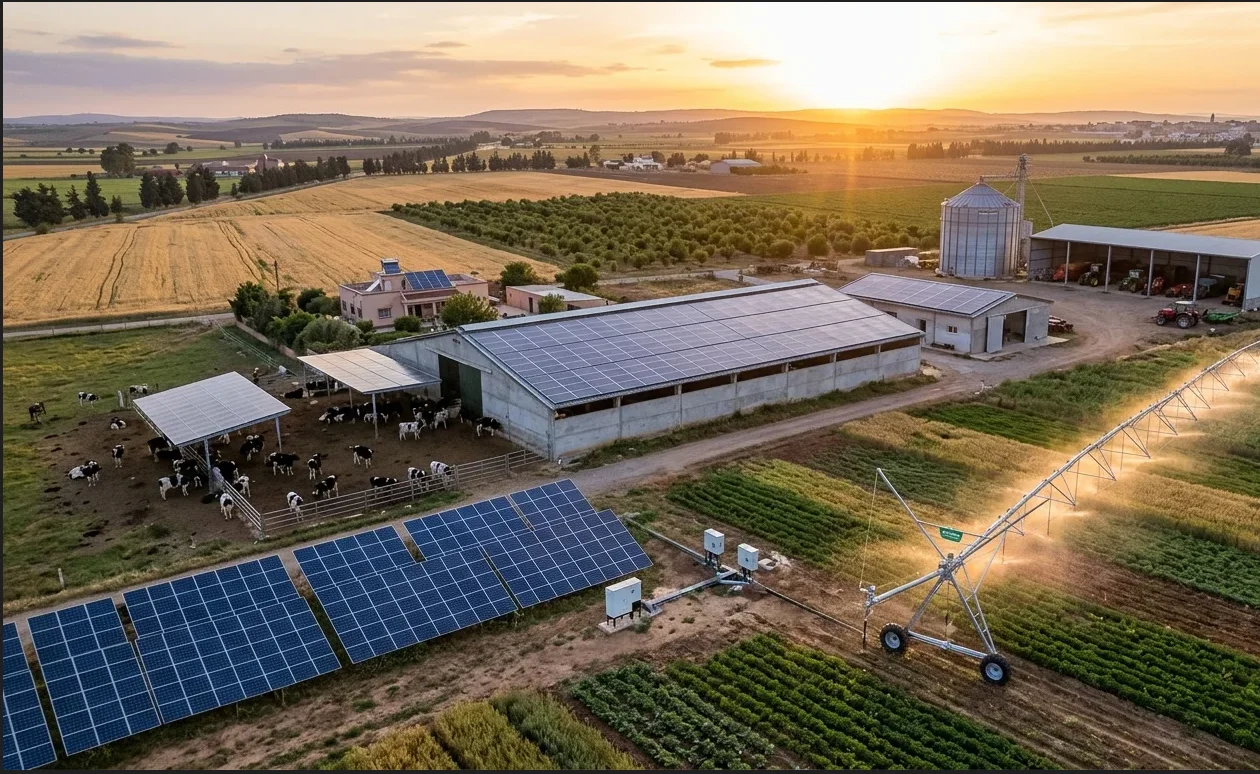
You have decided to go solar. Now comes the question that stops most farmers cold: how do I pay for it? Cash purchase, solar loan, and PPA produce radically different 25-year outcomes. The wrong choice can cost you hundreds of thousands of dollars. Farms consume 70% to 90% of their solar production on-site — which means a PPA designed for a commercial customer will systematically undervalue your electricity. This article runs the full 25-year cash flow math for all three options on a 250 kW system, and explains why a solar loan captures the 30% ITC while a PPA forfeits it entirely.
Solar Grain Drying 2026: Propane vs PV Payback for Corn & Wheat

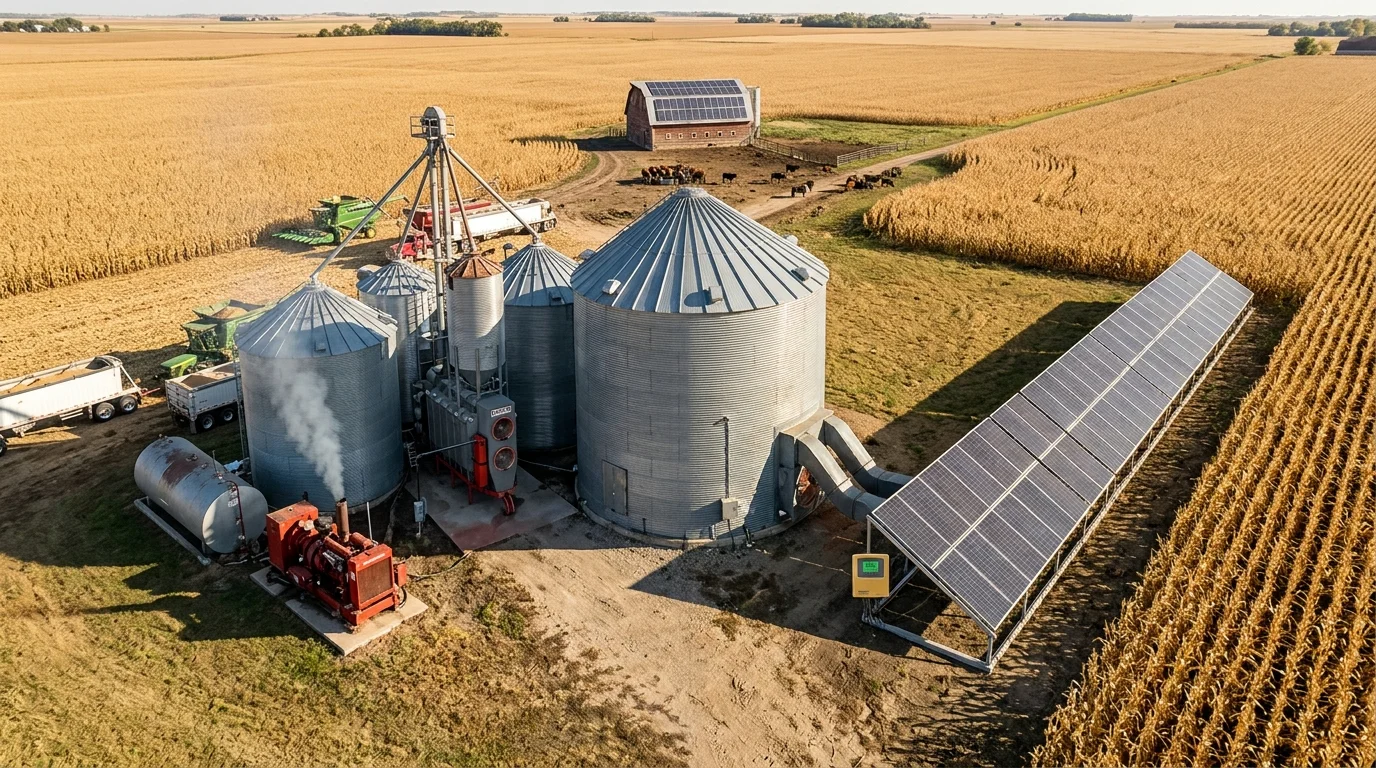
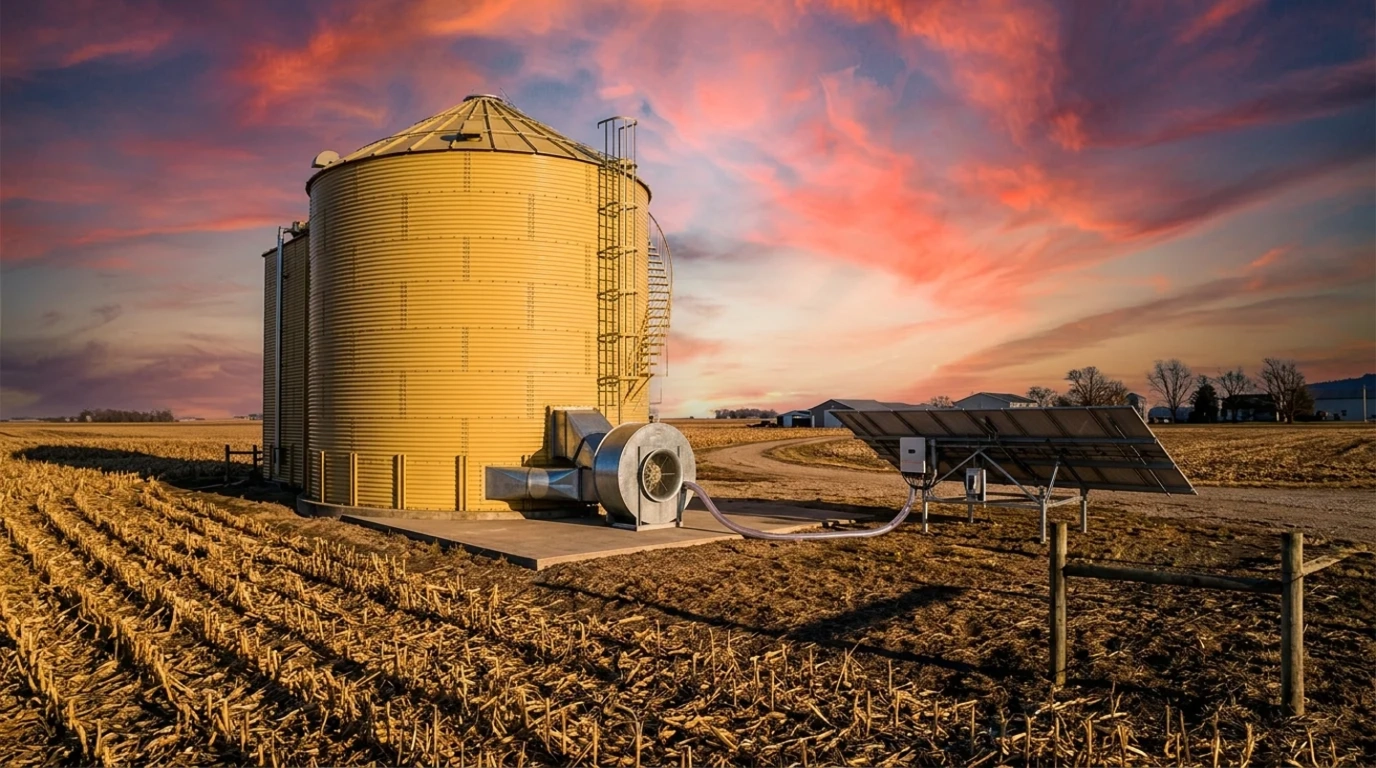
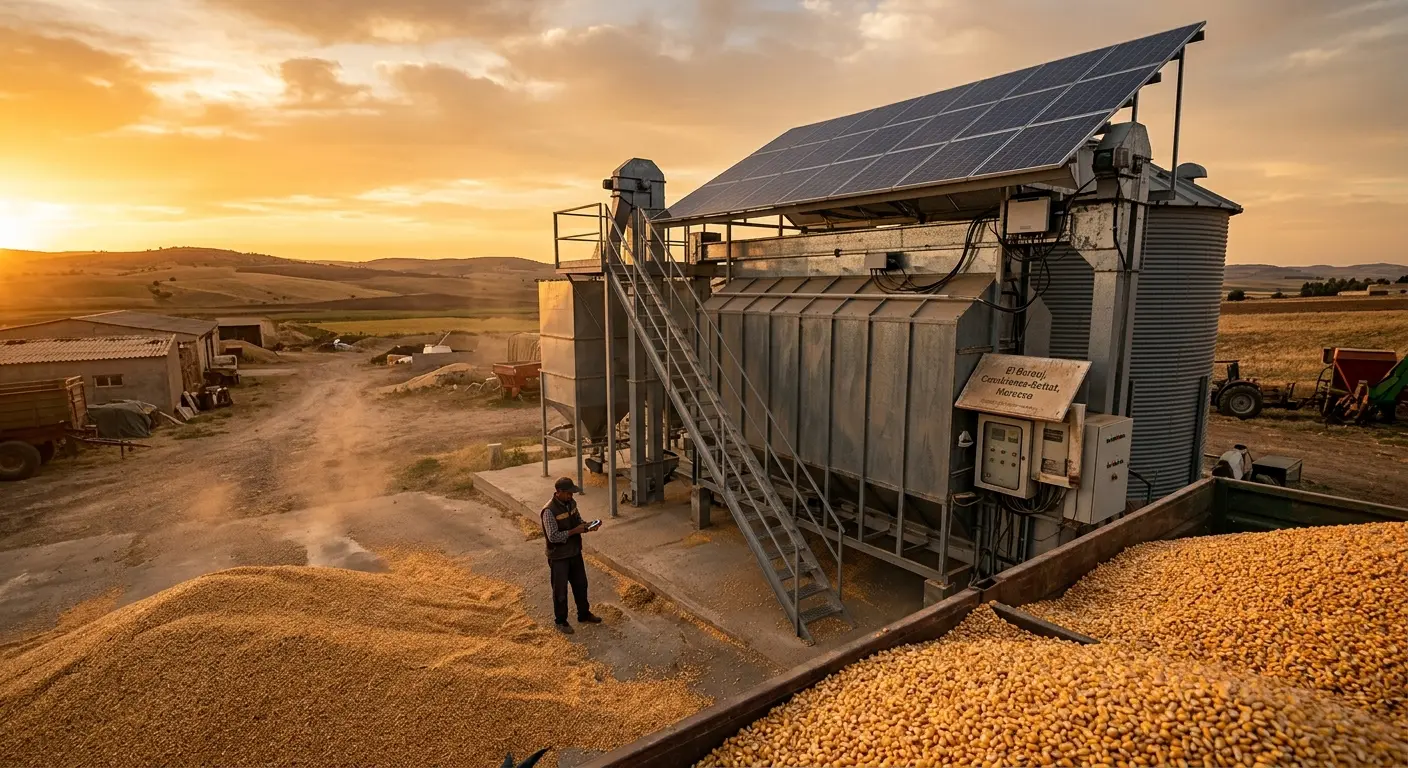
Grain drying bin with roof-mounted solar array powering the dryer, with corn kernels in the foreground and a farmer checking moisture levels.

Grain drying is the single largest energy expense on many corn and wheat farms — often exceeding $40,000 per year at 2026 propane prices. Solar PV with a backup burner can cut that bill by 40% to 60%, with payback in 5 to 7 years after the 30% ITC. But 100% solar drying is a mistake that risks your entire harvest. This article explains the hybrid design that works, the 25-year cash flow math for a 100 kW system on a 1,000-acre corn operation, and the five expert tips that separate a successful solar drying installation from an expensive failure.

Farm Solar Tax Credits 2026: ITC, REAP & MACRS Stacking Guide

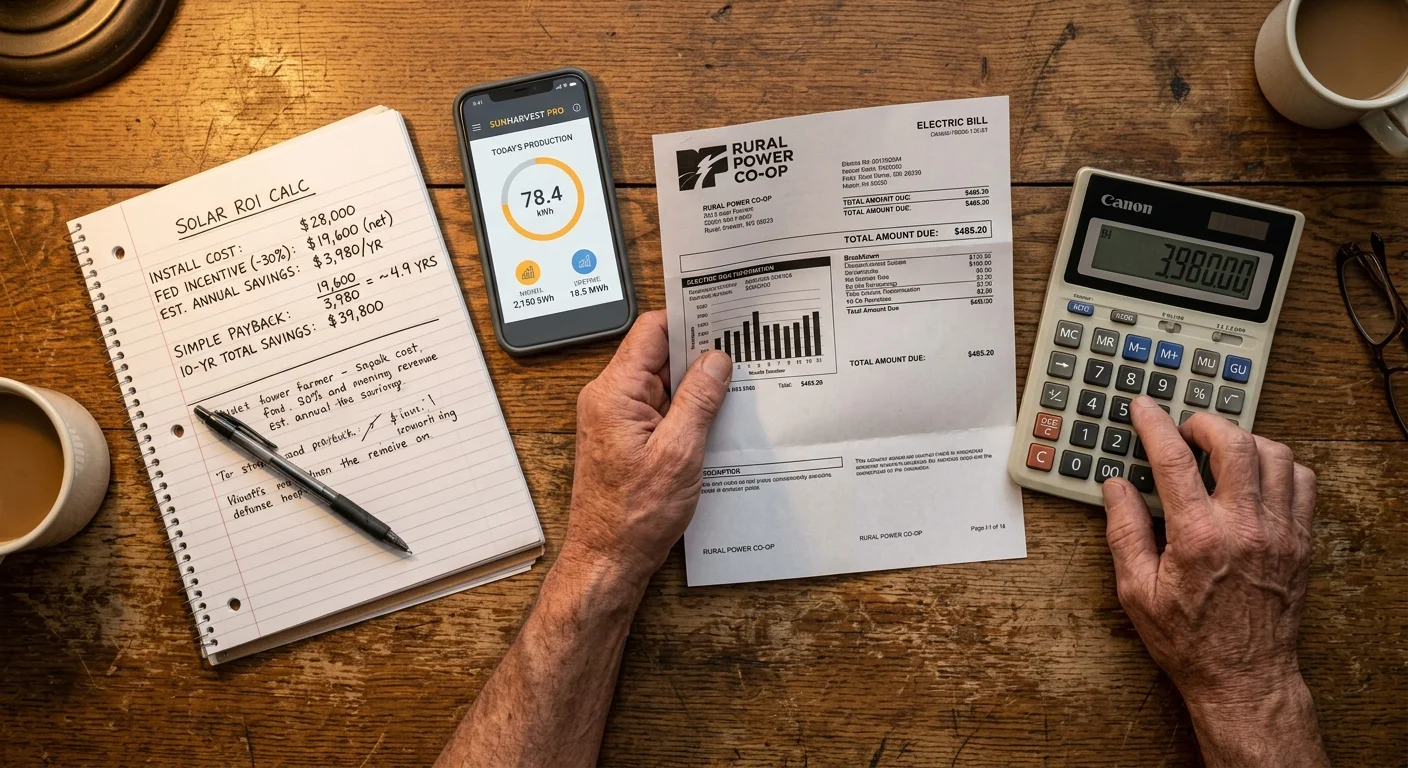
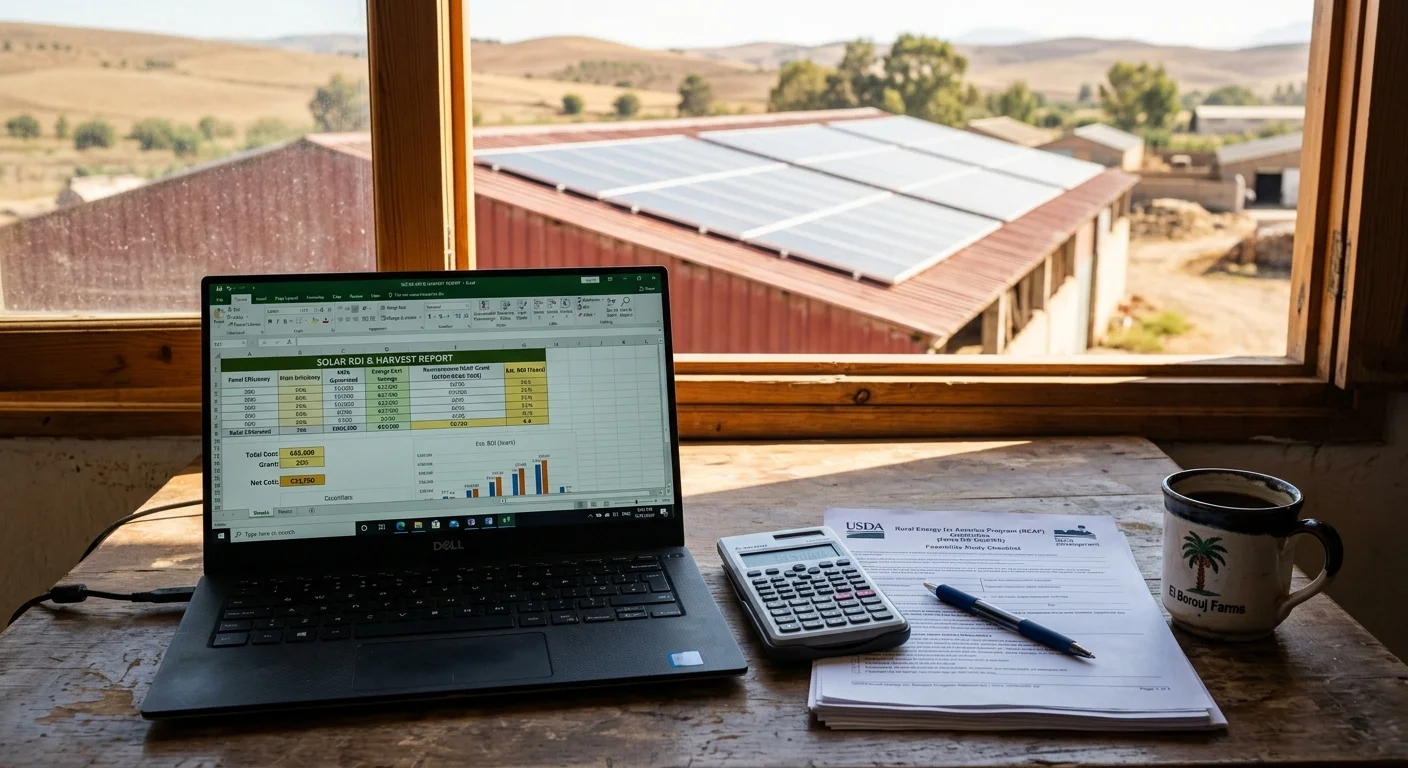
Farm office desk with solar ROI spreadsheet on laptop, USDA REAP forms, and calculator, with barn roof solar panels visible through the window.

The 30% federal solar tax credit expires on December 31, 2027. On a $500,000 farm system, missing that deadline costs you $150,000. But the incentive landscape in 2026 is confusing — REAP windows have been paused, bonus depreciation is phasing down, and the “placed in service” rule means signing a contract is not enough. This article gives you the exact framework to stack the 30% ITC, a USDA REAP grant, and MACRS depreciation to reduce the net cost of a farm solar system by up to 95%. Includes a worked $160,000 example with a sub-one-year payback.

Vertical Bifacial Solar for Farms: The 2026 ROI for Grain & Dairy

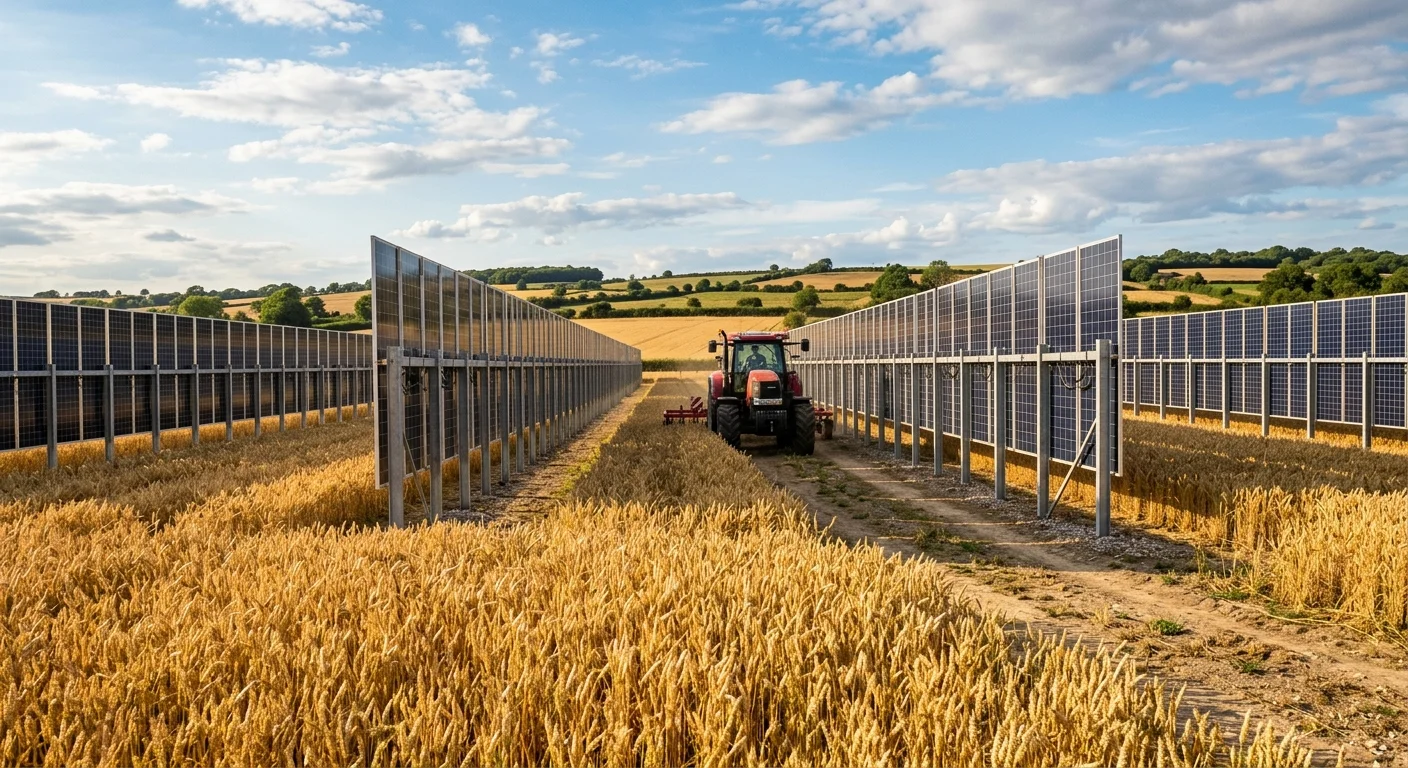
Vertical bifacial solar panels installed in rows across a wheat field, with a tractor path visible between the panel rows.

Grain and dairy farmers have rejected agrivoltaics because it takes land out of production. Vertical bifacial solar changes that equation. It costs only 10% to 20% more than conventional ground-mount — not the 25% to 40% premium of overhead systems — and it retains 95% to 99% of your agricultural land. You can drive a tractor between the rows. The panels shed snow naturally. And the dual-peak generation profile matches farm electricity demand better than a south-facing array. This article runs the full 25-year ROI math for a 500-acre grain farm with a 1 MW vertical bifacial system, including the MPPT string-sizing trap that costs most installers 10% to 15% of their generation.
Agrivoltaics 2026: Which Crops Actually Thrive Under Solar Panels?

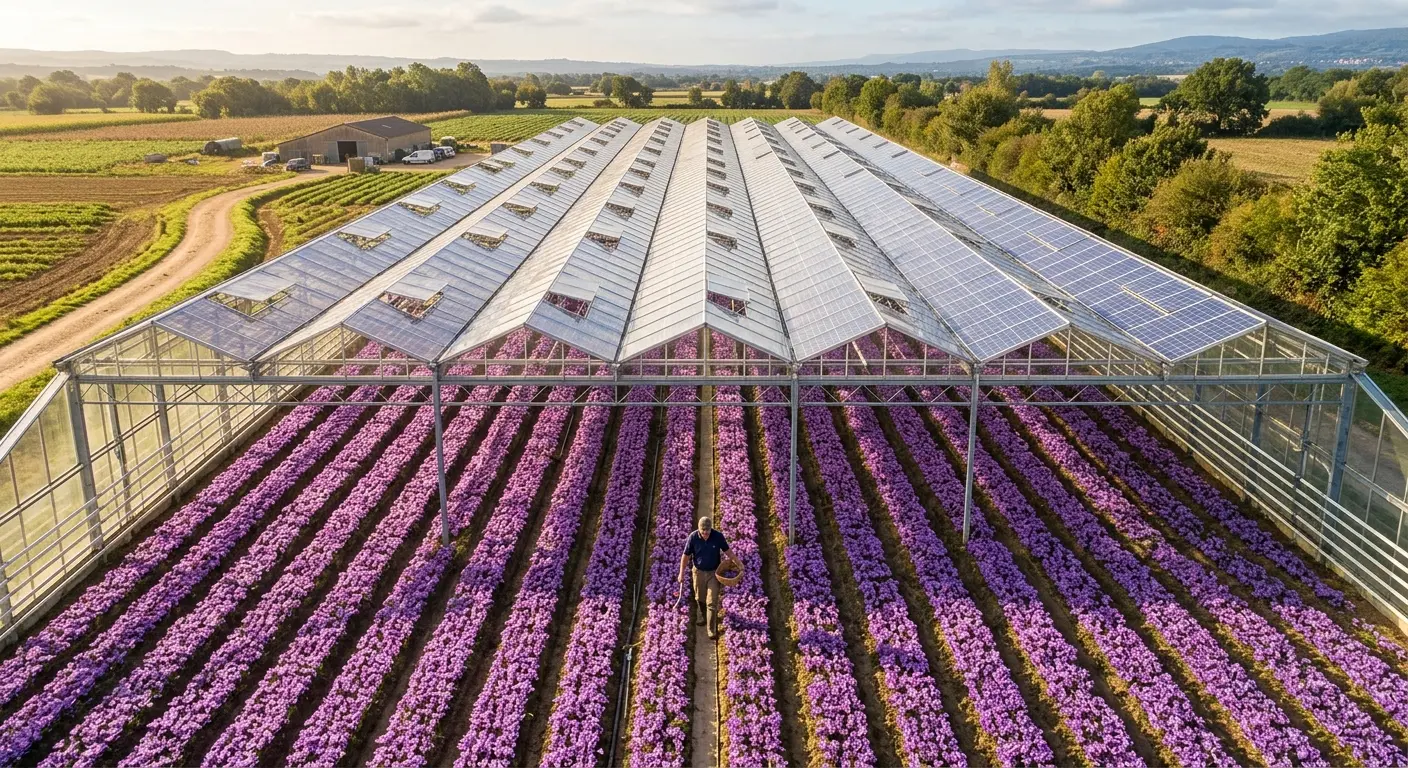
Semi-transparent solar panels above rows of saffron crocus flowers in a commercial greenhouse agrivoltaic system, with a farmer inspecting the crop.

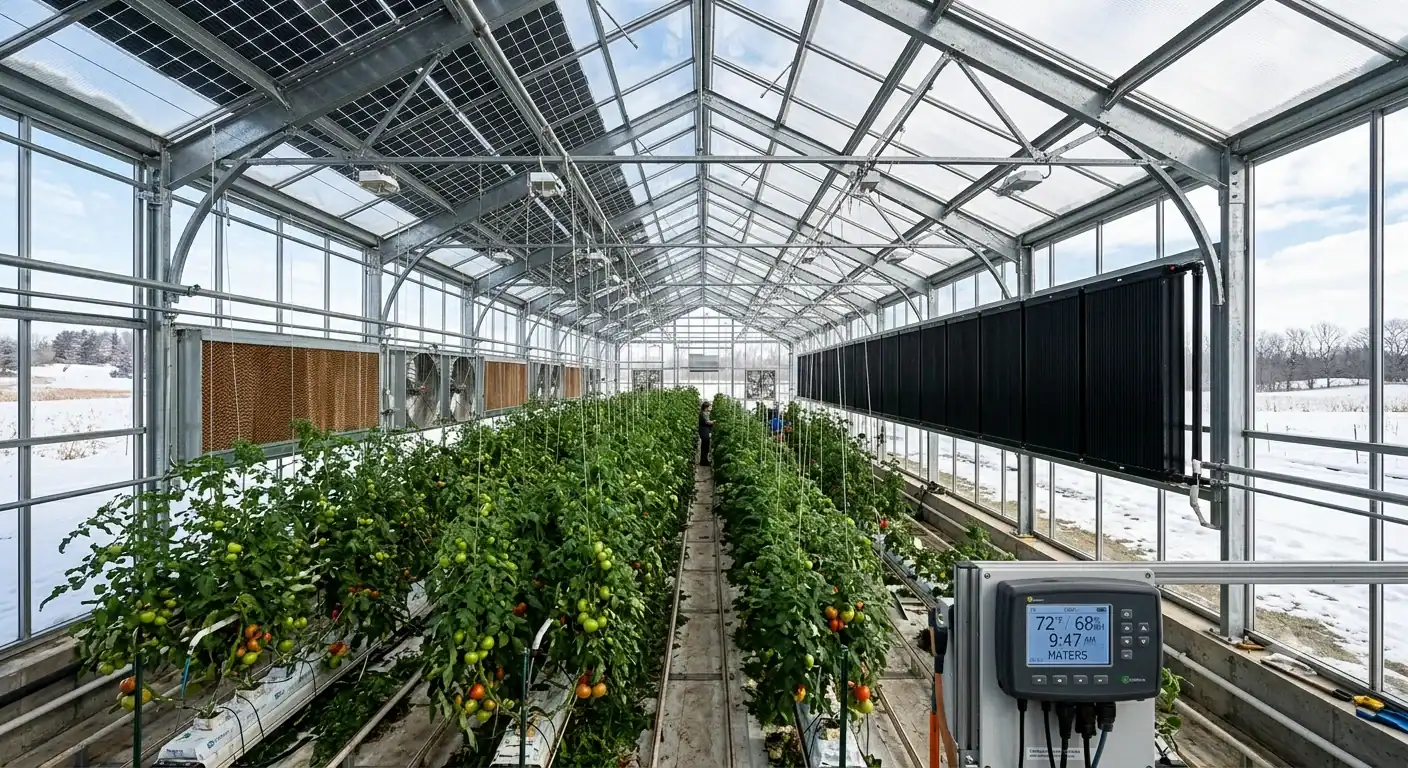
Most farmers believe solar panels kill crop yields. The 2026 data proves the opposite for a specific set of high-value crops. Saffron grown under semi-transparent panels produces double the flowers. Leafy greens gain up to 127% in yield. Greenhouse tomatoes stay flat while electricity consumption drops 35%. This article breaks down which crops actually thrive under panels, the exact panel transparency and mounting height each crop requires, and the five-year ROI math for a commercial saffron agrivoltaic system. If you grow specialty crops, this is the data you need before you dismiss agrivoltaics.

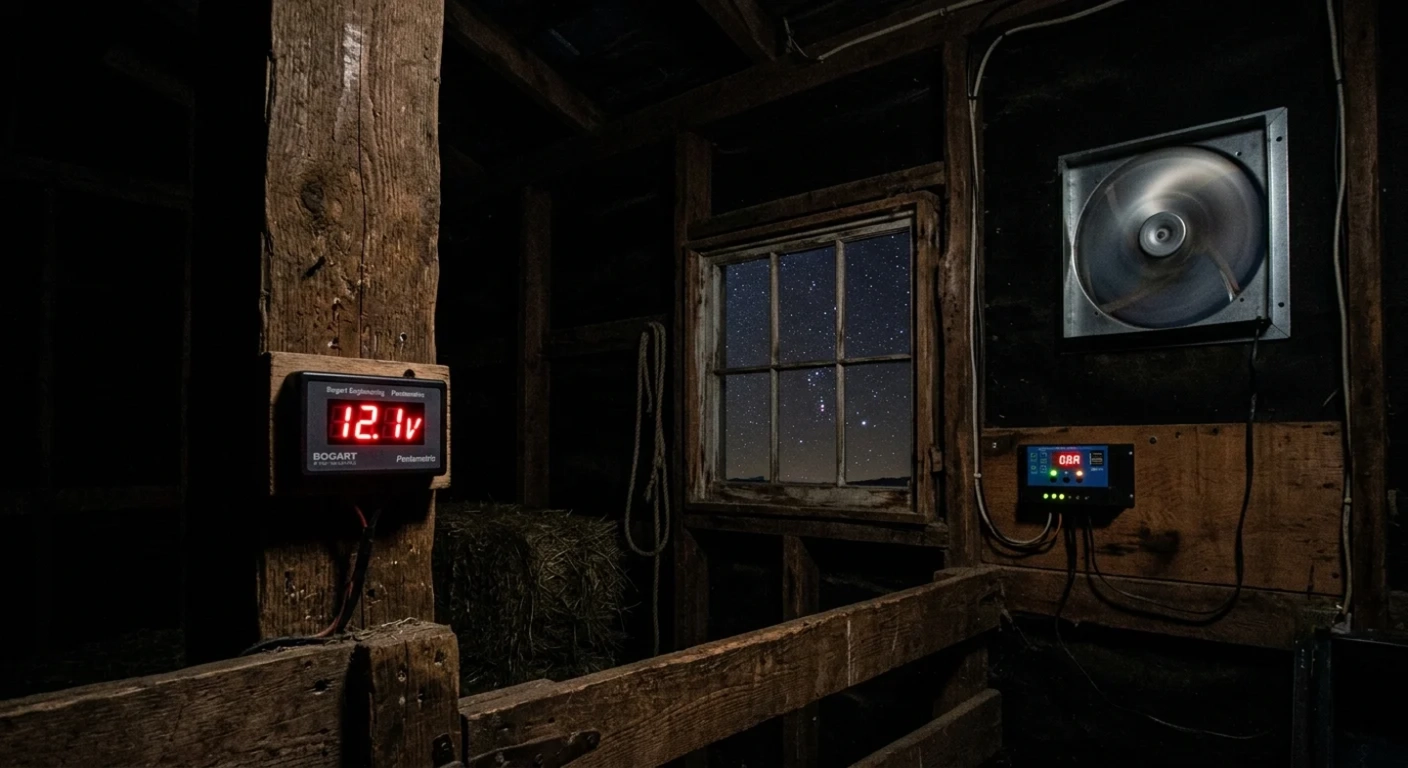
How to Wire a 12V DC Solar Fan in Your Barn or Greenhouse

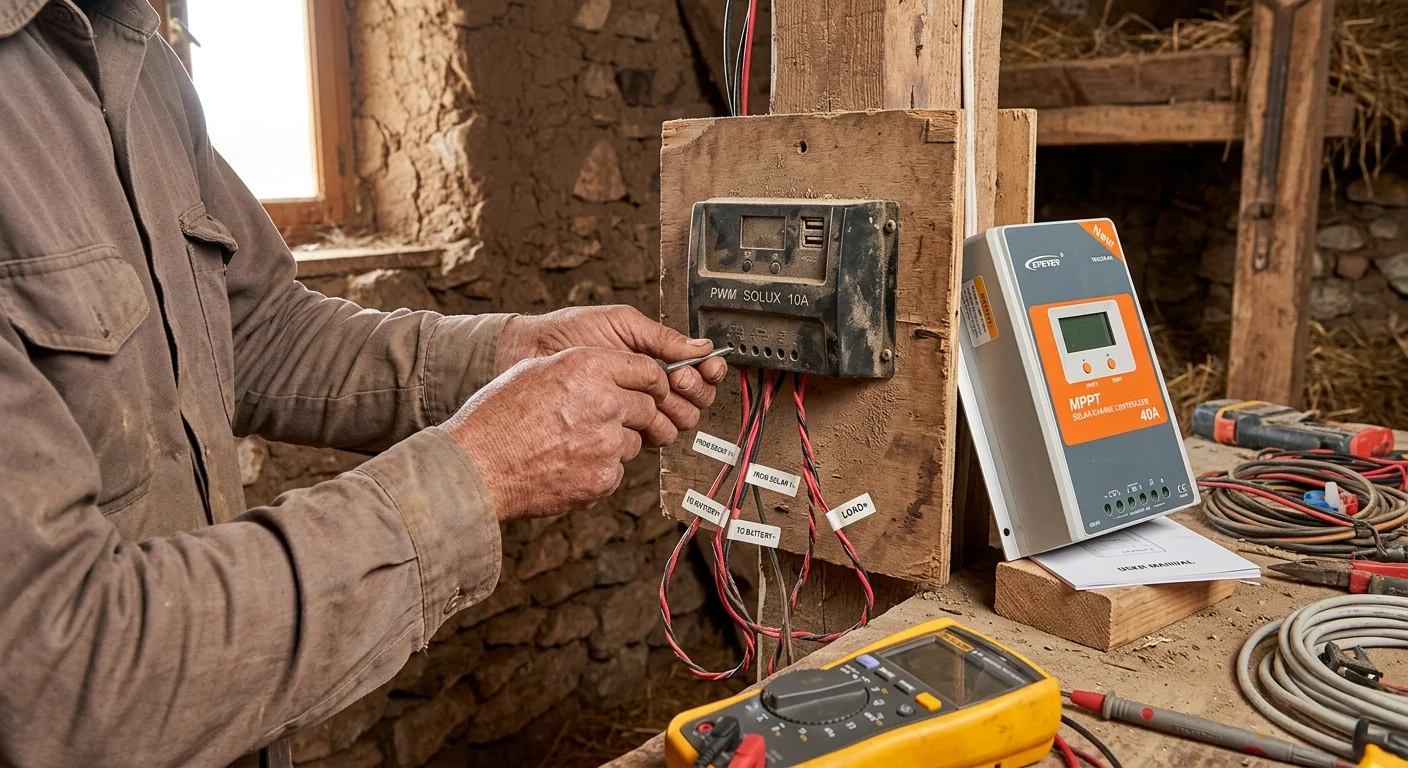
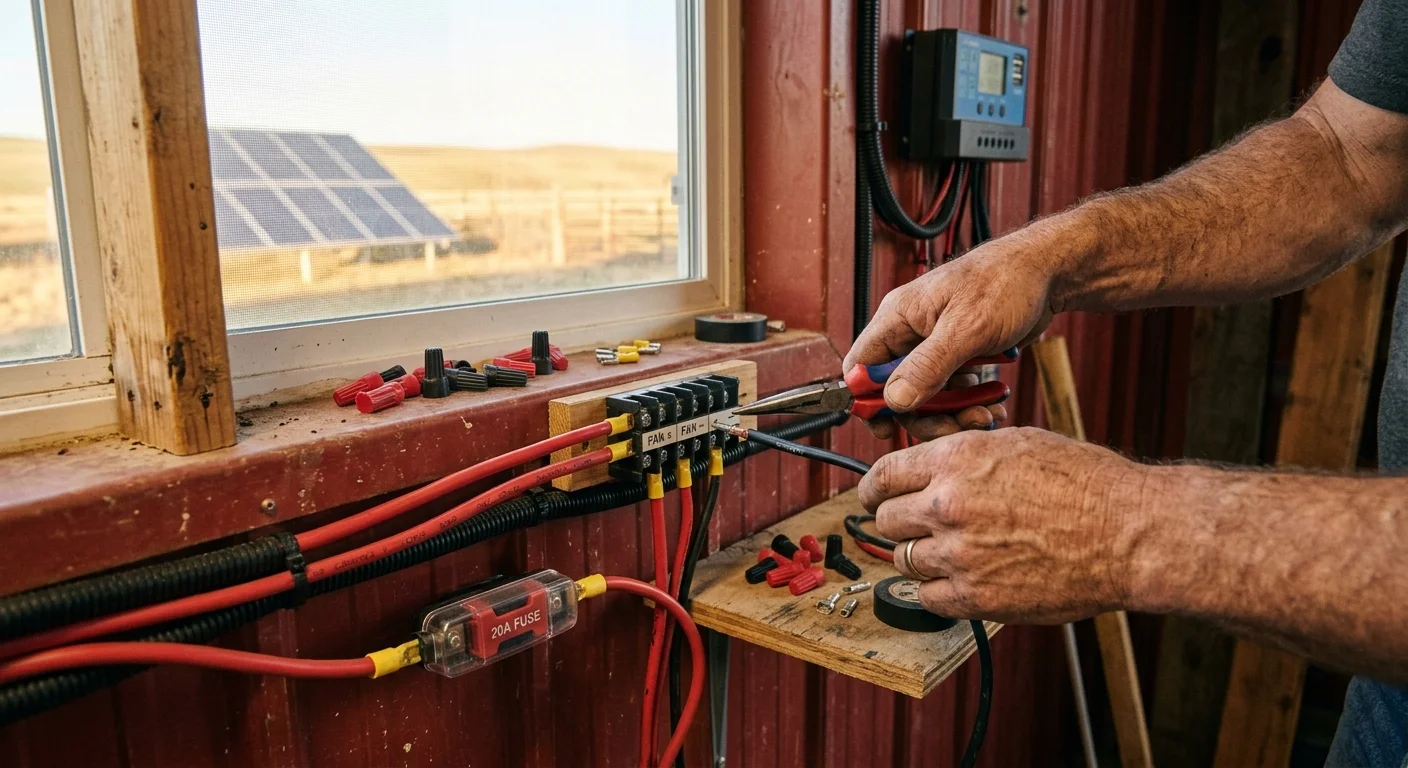
Close-up of hands wiring a 12V DC solar fan with gauge wire and fuse holder in a barn

You bought the fan. Now you need to run wire through a dusty barn without burning it down. Here is the exact gauge, fuse size, switch placement, and code-compliant method for wiring DC ventilation.