Farm Solar Incentives by State: The Complete 2026 Guide

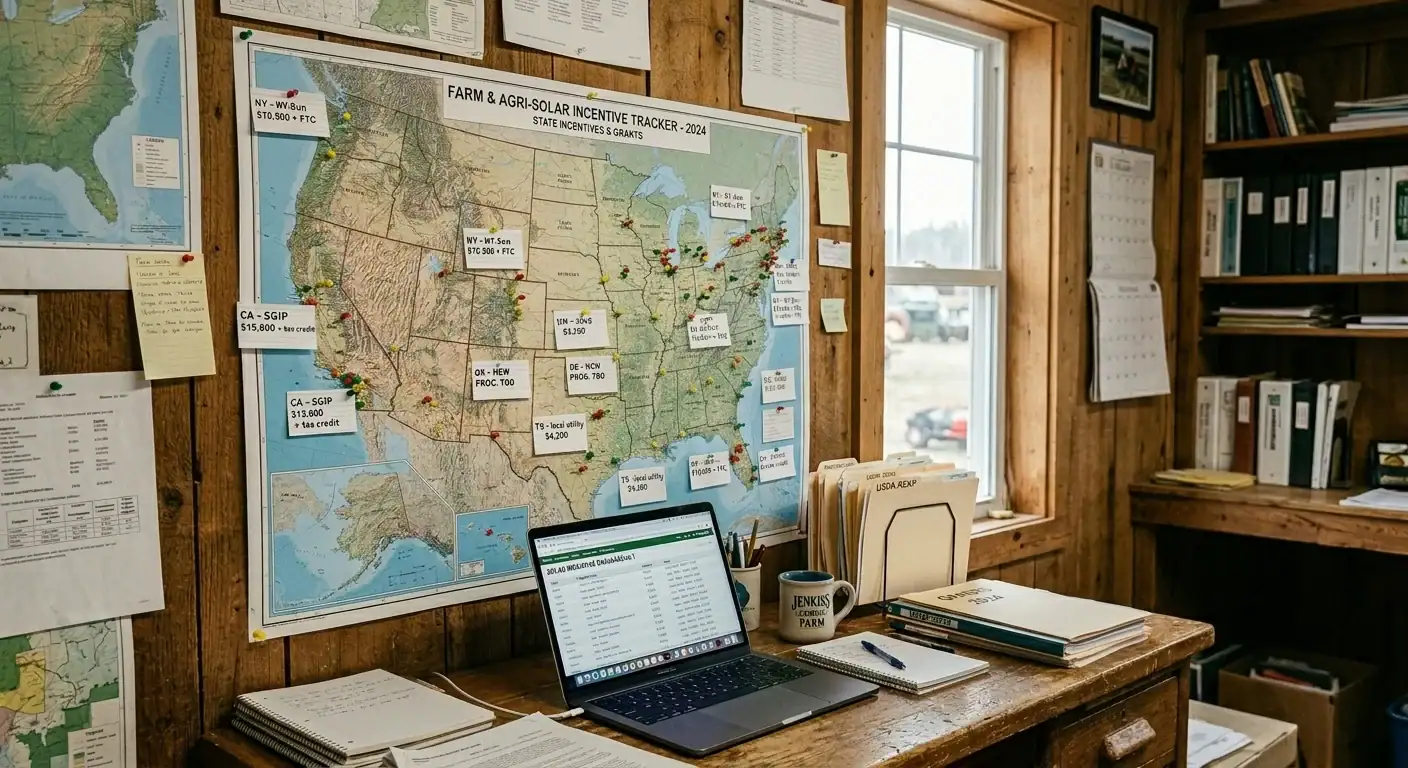
U.S. map on a farm office wall with pushpins marking state solar incentive programs, with a laptop showing an incentive database nearby.

Federal incentives are the same in every state. State incentives are not. On a $400,000 farm system, the difference between the most and least supportive state can exceed $80,000 in net cost — and most farmers never look past the federal 30% ITC. This guide covers the five categories of state incentives, the ten largest agricultural states compared side by side, and the two programs most states offer but never advertise.

Farm Community Solar and Solar Cooperatives: Pooling Capital, Sharing Interconnection, and Negotiating as a Bloc

Group of five farmers standing together in front of a shared ground-mount solar array, reviewing project documents.

One farm installing 100 kW pays a premium. Ten farms installing 1 MW together pay 15% less, share one interconnection, and negotiate from a position of strength. Agricultural solar cooperatives are one of the fastest-growing models in 2026 — driven by constrained interconnection capacity, rising equipment costs, and the simple fact that groups have more leverage than individuals. This guide covers the three cooperative structures, the per-farm savings math on a pooled 1 MW project, and the governance provisions that keep a group together when one member wants out.

Farm Solar Insurance: Hail, Wind, Fire, and Liability Coverage Explained

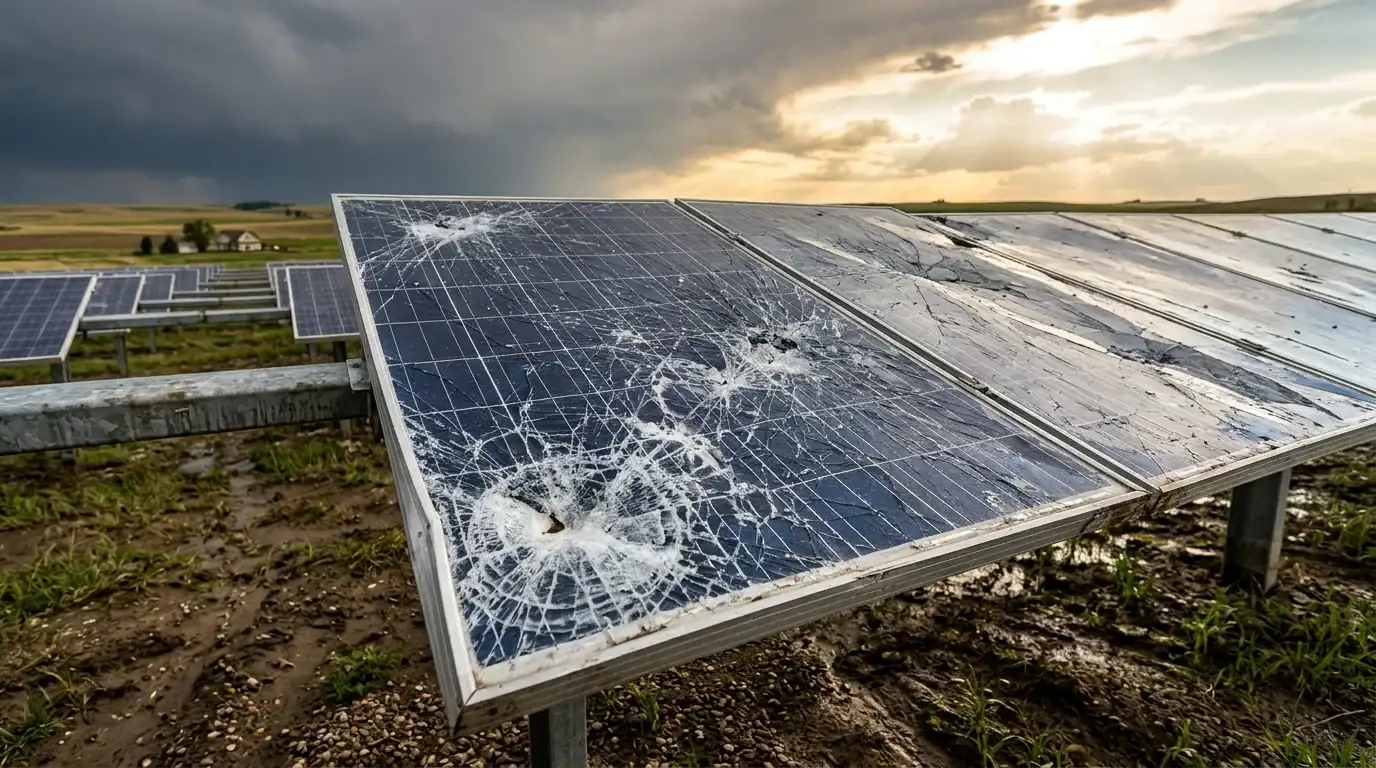
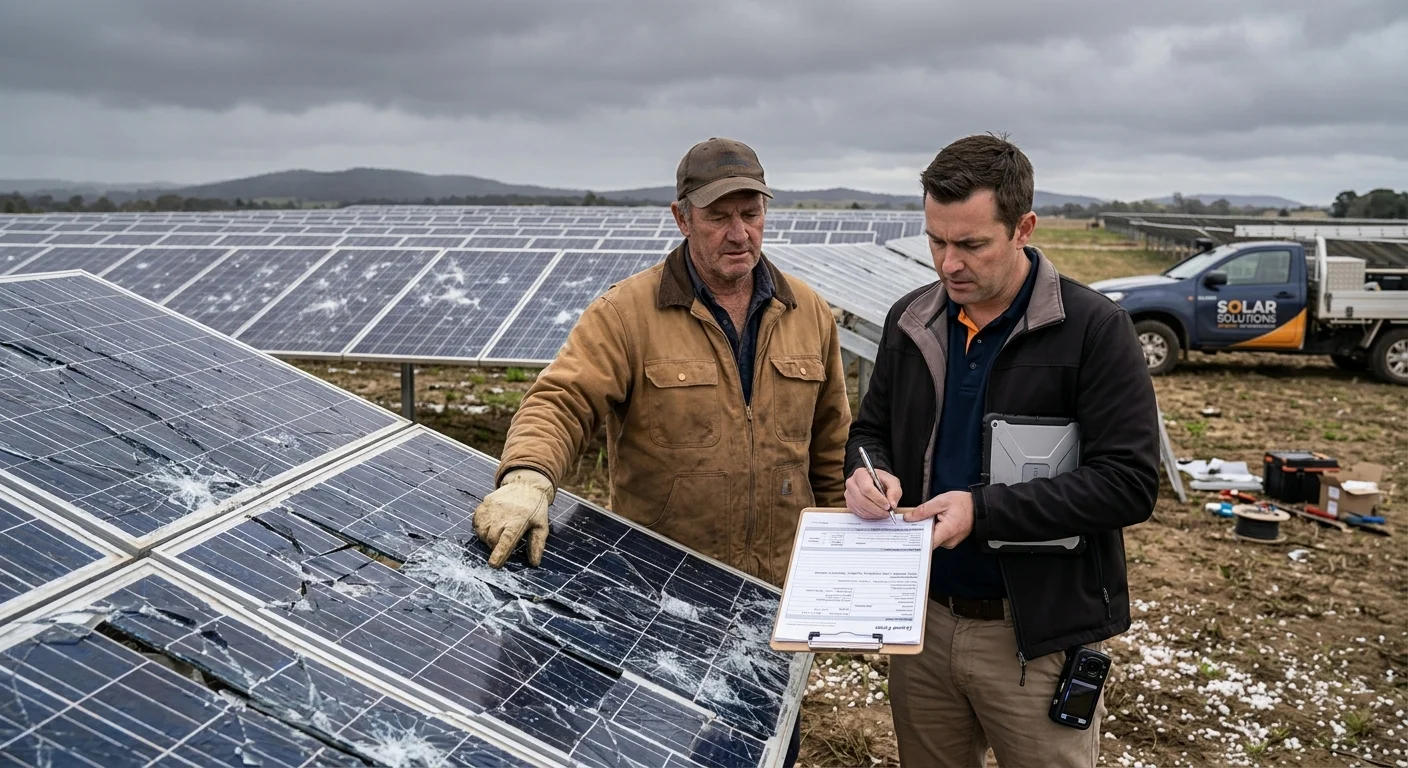
Insurance adjuster and farmer inspecting a farm solar array after hail damage, with cracked panels visible in the foreground

Your farm policy almost certainly does not automatically cover your solar array. And if it does, it may cover it at actual cash value rather than replacement cost — a distinction that can cost you 40% of a claim after a hailstorm. This guide explains the four coverage categories every farm solar owner needs, the replacement cost clause that matters more than any other line in the policy, and the documentation practices that determine whether a claim gets paid.

How to Vet a Farm Solar Installer: 12 Red Flags + 8 Credentials

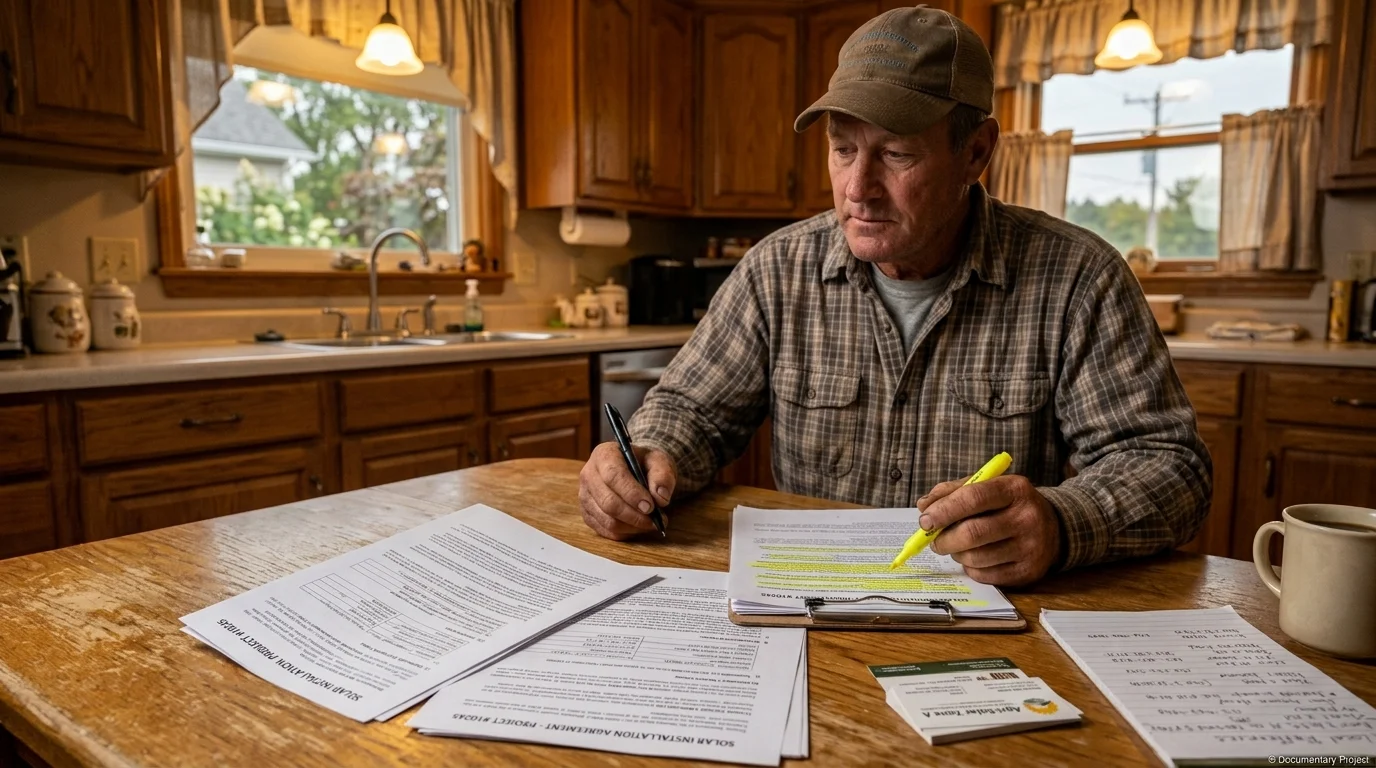
Farmer reviewing a solar installation contract at a kitchen table, with a certification lookup page open on a laptop and a list of reference addresses nearby.

A bad installer costs far more than a bad price. Denied warranty claims, failed inspections, structural damage, and abandoned mid-install projects can turn a $160,000 solar investment into a total loss. This guide covers the 12 red flags that separate a professional farm solar contractor from a sales organization, the 8 credentials that actually matter, and the 5 contract clauses you must negotiate before signing — including the warranty pass-through provision most contracts quietly omit.

Farm Solar Permitting & Interconnection: The 2026 Timeline Guide

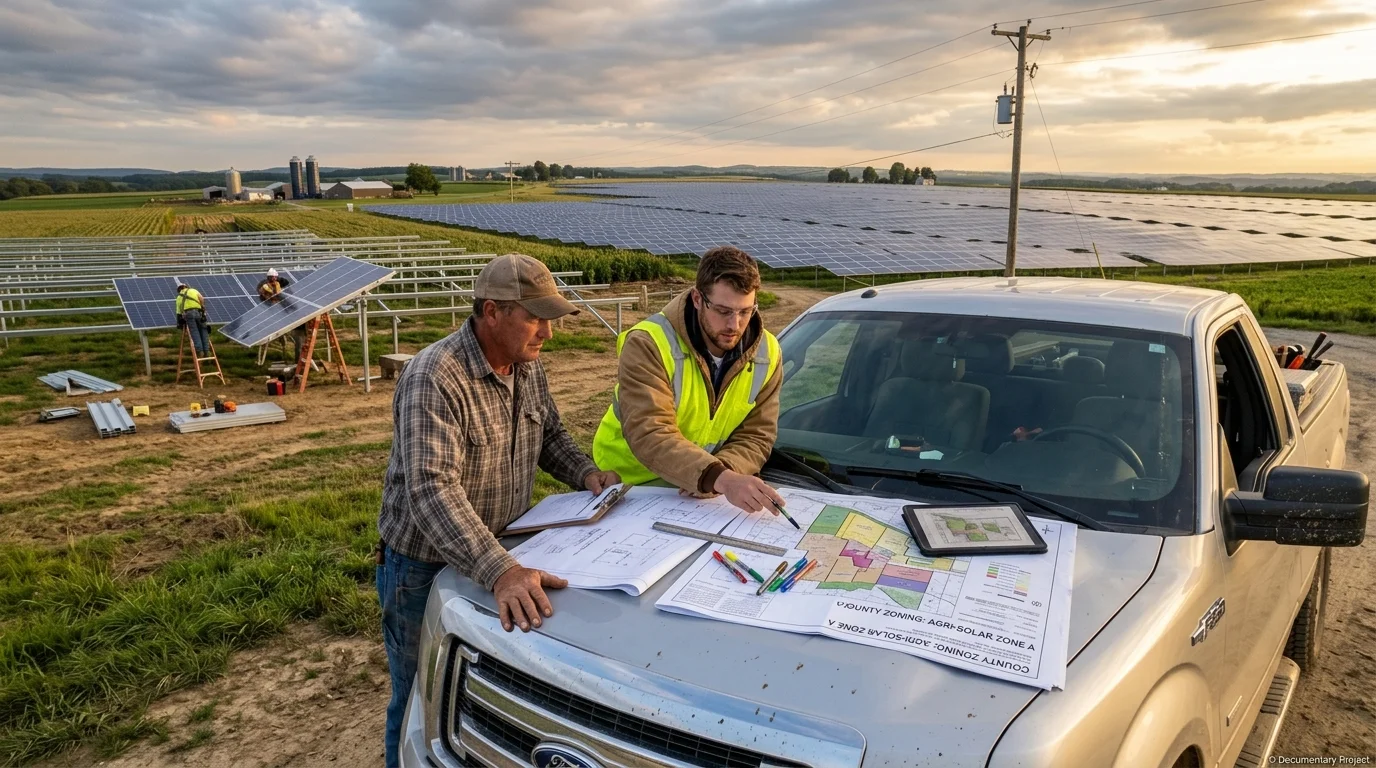
Farmer and solar installer reviewing permit drawings and county zoning maps on a pickup truck hood, with a partially constructed ground-mount array behind them.

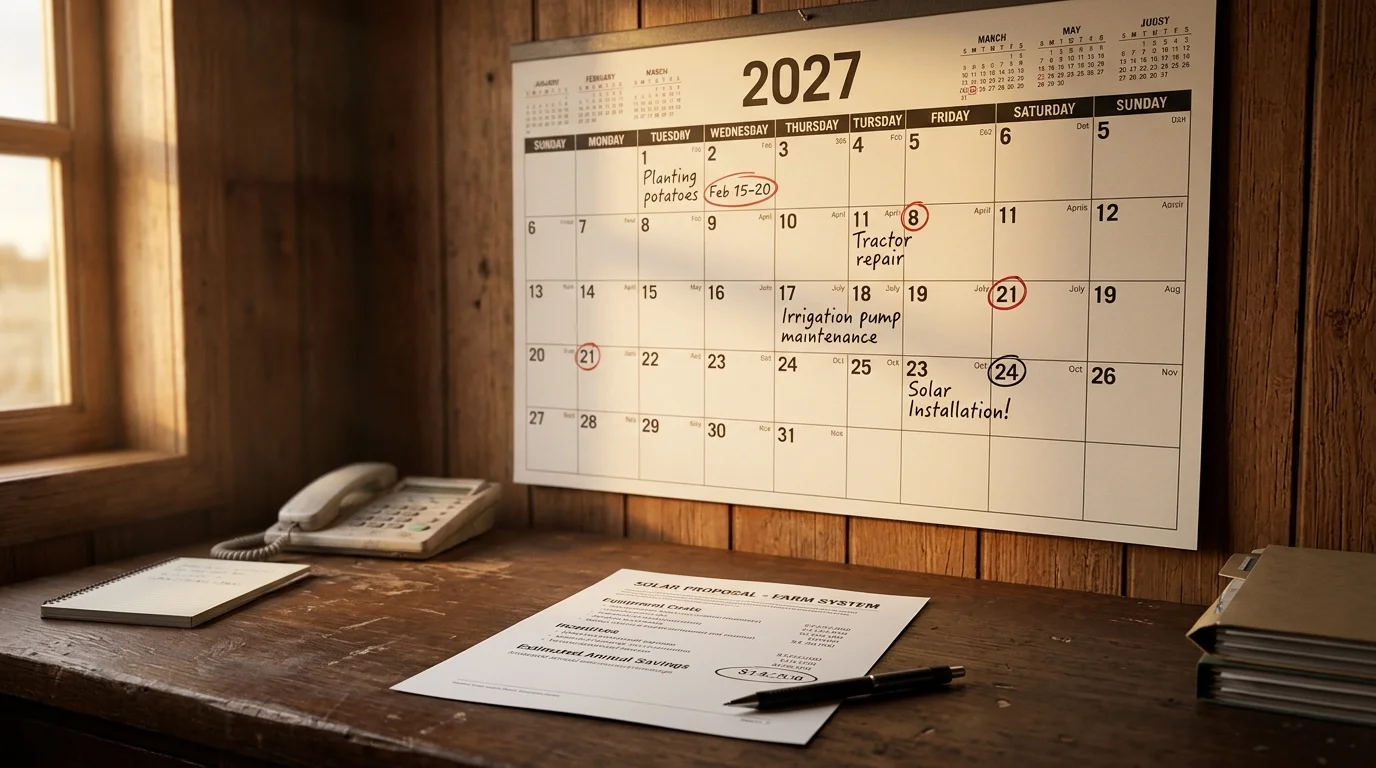
The 30% federal ITC requires your system to be placed in service by December 31, 2027. Equipment quotes do not determine whether you make that deadline — permitting and utility interconnection do. County zoning reviews, conditional use permits, utility queue positions, and inspection scheduling can consume 6 to 14 months depending on where you farm. This guide gives you the full project sequence, realistic timelines by jurisdiction type, and the three bottlenecks that cause farm solar projects to miss their incentive window.

Leasing Your Farmland to a Solar Developer: 2026 Rates and Contract Traps

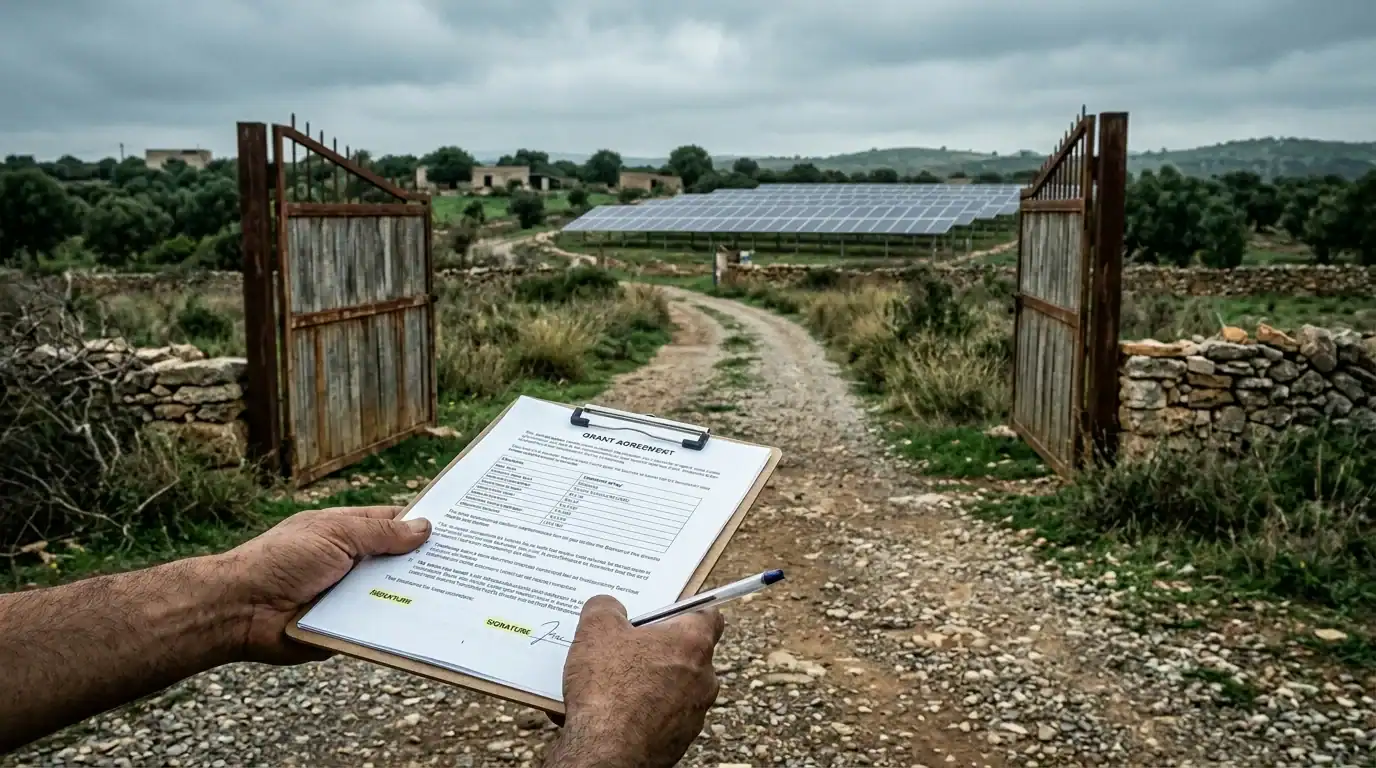
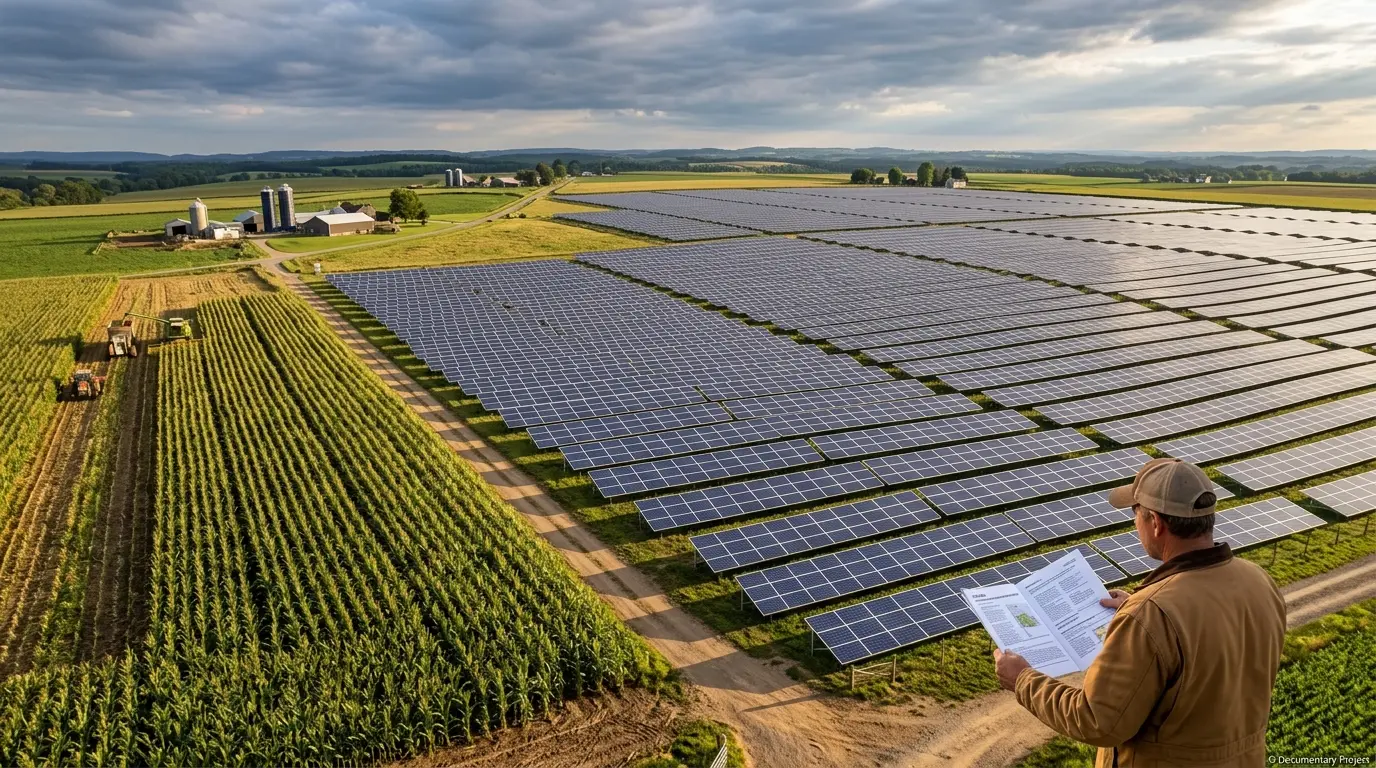
Aerial view of a utility-scale solar farm on leased farmland, with a farmer reviewing a lease document at the boundary of the array

A 30-year solar lease can pay more than a decade of corn — or it can quietly destroy your land’s long-term productivity and resale value. The difference is entirely in the contract. This guide covers 2026 market lease rates by state and land class, the five clauses that always need negotiation, and the decommissioning and topsoil restoration terms that determine what you get back when the lease ends. If a developer has approached you about your land, read this before you sign anything.

Farm Net Metering 2026: How Export Rate Cuts Change Your Solar ROI

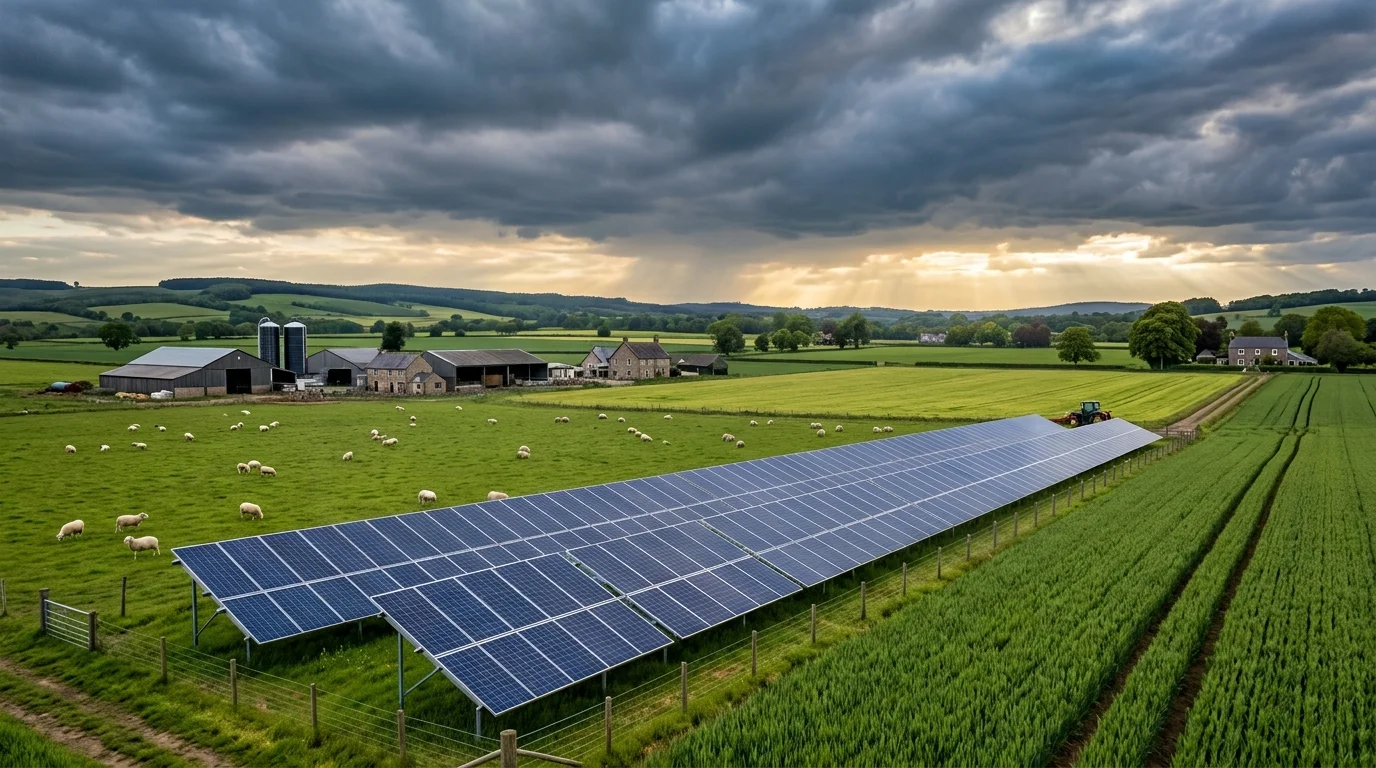
Farm solar array with an infographic overlay showing three net metering scenarios: full net metering, reduced net metering, and avoided-cost-only export compensation.

Every farm solar ROI calculation you have seen assumes exported electricity is worth your retail rate. In 2026, that assumption is wrong in a growing number of states. California moved to avoided-cost export pricing, Indiana and Idaho have restructured compensation, and more states are following. This article breaks down the four export compensation models, shows how each one changes the payback math on a 250 kW farm system, and explains why the right response is not to abandon solar — but to redesign the system around self-consumption.

Farm Solar: Buy, Lease, or PPA? The 2026 25-Year Cash Flow Math

Three farmers comparing solar financing options — cash purchase, loan, and PPA — in front of a farm solar array.

You have decided to go solar. Now comes the question that stops most farmers cold: how do I pay for it? Cash purchase, solar loan, and PPA produce radically different 25-year outcomes. The wrong choice can cost you hundreds of thousands of dollars. Farms consume 70% to 90% of their solar production on-site — which means a PPA designed for a commercial customer will systematically undervalue your electricity. This article runs the full 25-year cash flow math for all three options on a 250 kW system, and explains why a solar loan captures the 30% ITC while a PPA forfeits it entirely.

Farm Solar Tax Credits 2026: ITC, REAP & MACRS Stacking Guide

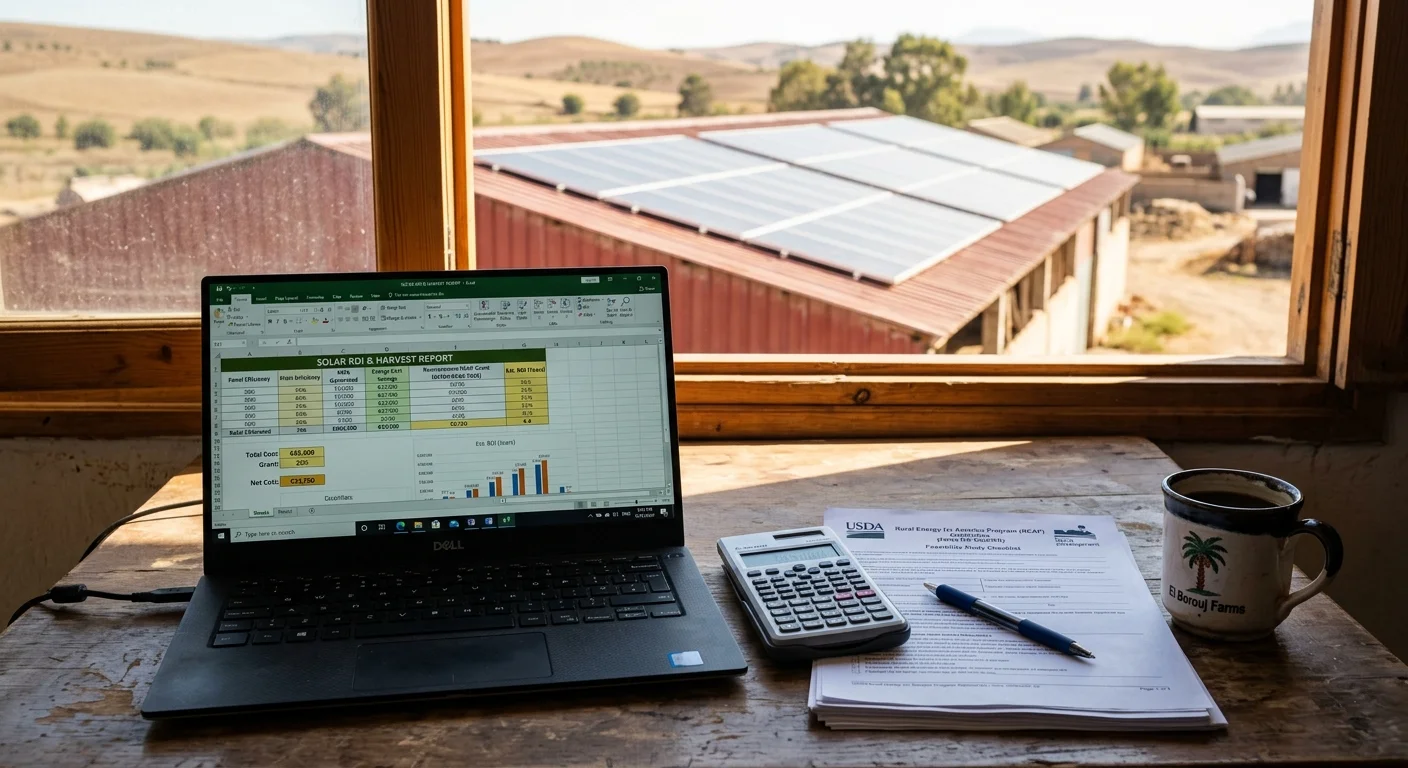
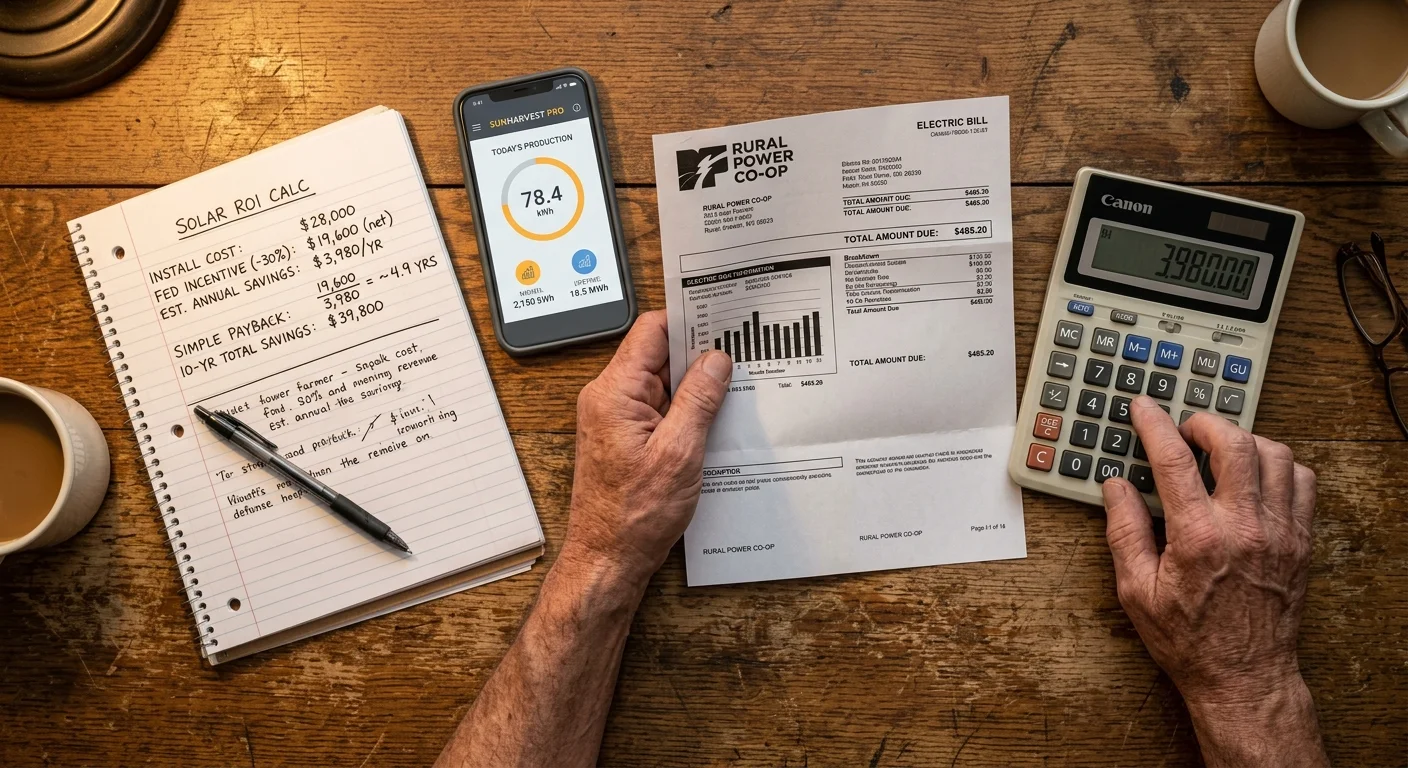
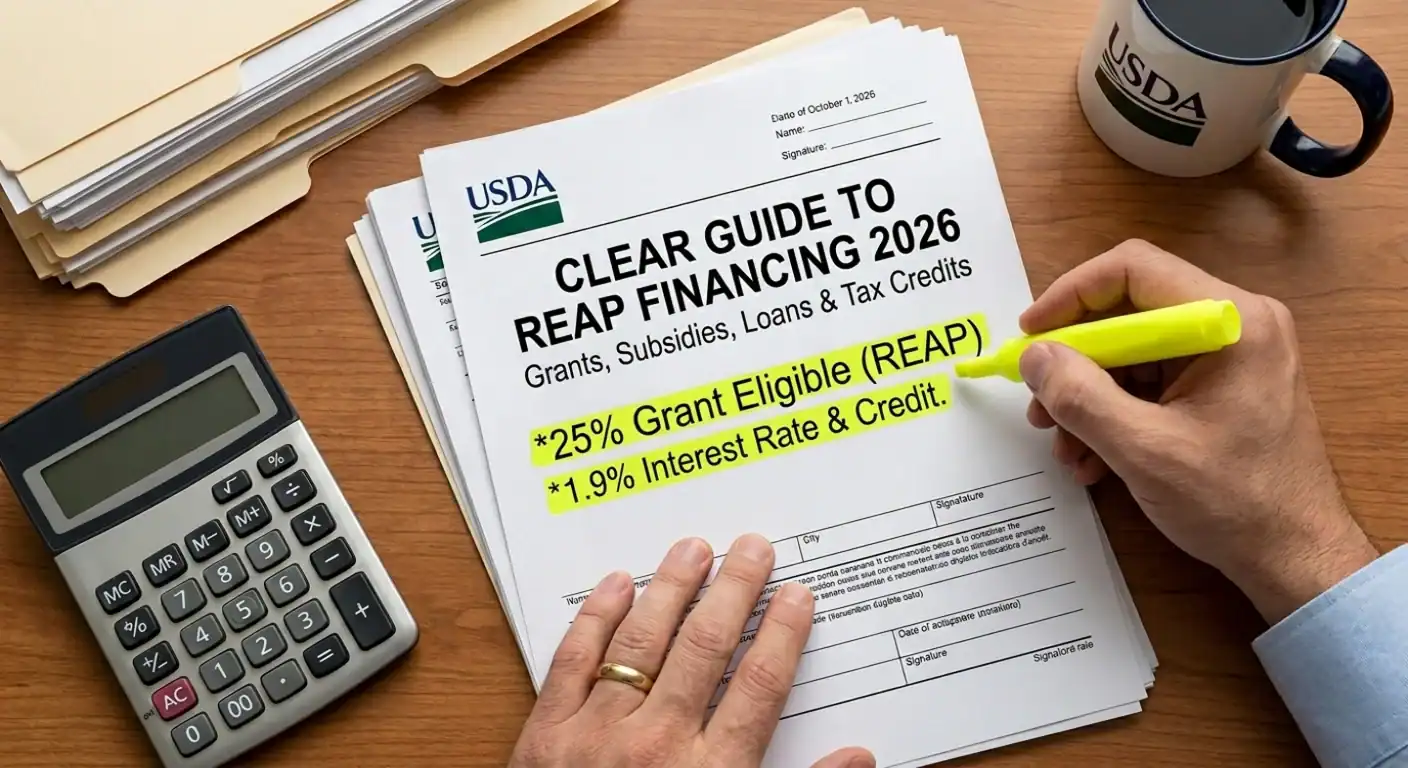
Farm office desk with solar ROI spreadsheet on laptop, USDA REAP forms, and calculator, with barn roof solar panels visible through the window.

The 30% federal solar tax credit expires on December 31, 2027. On a $500,000 farm system, missing that deadline costs you $150,000. But the incentive landscape in 2026 is confusing — REAP windows have been paused, bonus depreciation is phasing down, and the “placed in service” rule means signing a contract is not enough. This article gives you the exact framework to stack the 30% ITC, a USDA REAP grant, and MACRS depreciation to reduce the net cost of a farm solar system by up to 95%. Includes a worked $160,000 example with a sub-one-year payback.

Solar Pump Warranties: What the Fine Print Actually Means (And How to Protect Your Investment)

a damaged impeller and a red "WARRANTY VOID" stamp.

You’ve sized your system, chosen your pump, and are ready to invest $5,000‑15,000 in solar irrigation. But do you know what your warranty actually covers? Manufacturers promise 2‑5 years of protection, but the exclusions can leave you with a $2,000 repair bill. This 2026 guide breaks down solar pump warranties: types of coverage, what voids your warranty, how to file a claim, and what the top brands (Grundfos, Lorentz, Franklin Electric, Sun Pumps) actually offer.